Comparing vRealize Automation to Jenkins

In the world of DevOps, automation tools are essential for managing infrastructure, applications, and processes. Two popular tools for automation are vRealize Automation and Jenkins. Both tools are designed to simplify and streamline processes, but they have different strengths and weaknesses. In this blog, we’ll compare vRealize Automation and Jenkins to help you decide which tool is right for your automation needs. What is vRealize Automation? vRealize Automation is a cloud automation tool developed by VMware. It is designed to automate the deployment and management of applications, infrastructure, and multi-cloud environments. vRealize Automation provides an end-to-end solution for automating infrastructure and application delivery across a hybrid cloud environment. ...

February 15, 2023 · 3 min · Cosmin

SaltStack Config vs Terraform: A Comparison of Two Leading Infrastructure Management Tools

When it comes to automating and managing large-scale infrastructure, two popular tools are SaltStack Config and Terraform. While both tools offer valuable solutions, SaltStack Config stands out as the better choice for organizations looking for a comprehensive solution. SaltStack Config is a configuration management tool that offers a unique combination of powerful configuration management and resource management features. Its master-minion architecture enables efficient communication between the master node and the minions, allowing for the enforcement of desired state configurations across a large number of servers. This makes SaltStack Config the ideal solution for organizations that need to manage and maintain a large number of servers. ...

February 7, 2023 · 2 min · Cosmin

Comparing vROps Workload Optimizations with CWOM

VMware vRealize Operations (vROps) is not the only tool available for managing the performance and capacity of virtual environments. Another solution that has gained popularity in recent years is the Cloud Workload Optimization Manager (CWOM). In this blog, we will compare vROps workload optimizations with CWOM to help organizations determine which solution is best suited for their needs. Functionality vROps provides a comprehensive set of features for managing the performance and capacity of virtual environments. It includes advanced performance analytics, customized workload optimizations, improved visibility, and cost savings. On the other hand, CWOM is a more specialized tool that focuses on optimizing resource utilization for cloud workloads. While CWOM has some similar features to vROps, it lacks the depth of functionality provided by vROps. Scalability vROps is designed to manage large, complex virtual environments and is highly scalable. It can support multiple vCenter servers, hundreds of thousands of virtual machines, and provide real-time performance data. CWOM, on the other hand, is designed for smaller cloud environments and may not be suitable for organizations with large virtual environments. Integration vROps integrates seamlessly with other VMware products and solutions, such as vCenter and NSX, to provide a unified view of the virtual environment. CWOM, on the other hand, is designed to work with specific cloud platforms and may not provide the same level of integration as vROps. Cost vROps is a premium solution that is typically more expensive than CWOM. However, the comprehensive set of features provided by vROps and its ability to manage large, complex virtual environments can make it a more cost-effective solution in the long run. In conclusion, vROps workload optimizations provide a comprehensive solution for managing virtual environments, while CWOM is a specialized tool for optimizing resource utilization for cloud workloads. Organizations should consider their specific needs, the size and complexity of their virtual environment, and their budget when deciding between vROps and CWOM. ...
February 7, 2023 · 2 min · Cosmin

Benefits of Using vROps Workload Optimizations Over Regular DRS

VMware vRealize Operations (vROps) is a comprehensive solution for managing the performance and capacity of virtual environments. It offers several workload optimizations to help administrators balance resource utilization, meet SLAs, and ensure optimal performance. These optimizations go beyond what is possible with traditional Distributed Resource Scheduler (DRS) and can provide numerous benefits to organizations. In this blog, we will explore some of the advantages of using vROps workload optimizations over regular DRS. ...

February 7, 2023 · 2 min · Cosmin
Article cover image

Upgrading vIDM (VMware Identity Manager ) to 3.3.7 via vRSLCM

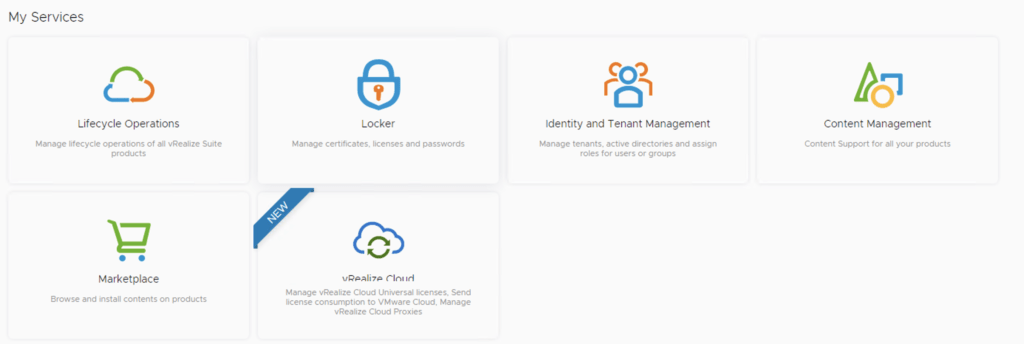
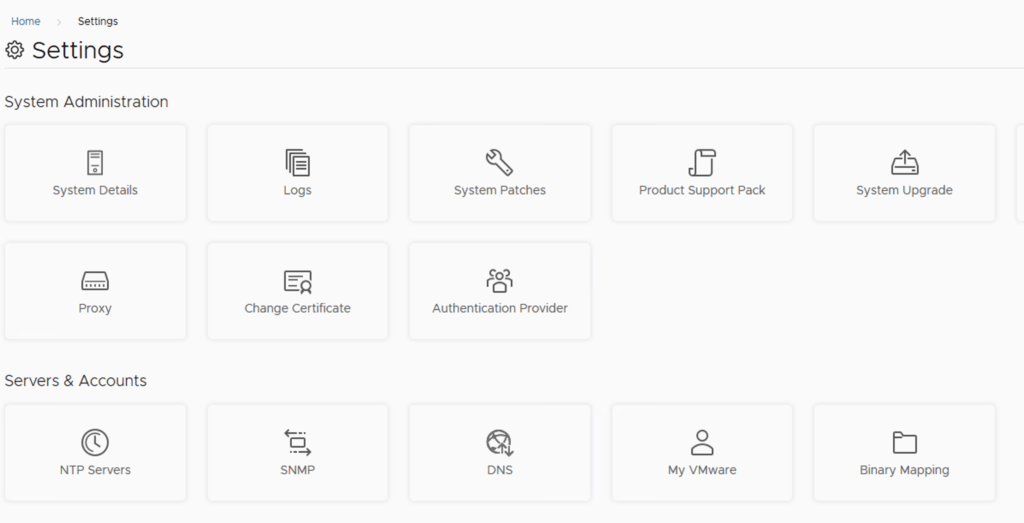
In this post i will go over upgrading my 3.3.6 vIDM appliance to 3.3.7 using vRSLCM (vRealize Suite Lifecycle Manager). If you want to upgrade to LCM 8.10 instructions can be found here. The upgrade does not include the latest PSPACK that contains the 3.3.7 vIDM release. Instructions to get the PSPACK can be found on my other blog post here. To get started we can go to vRealize Lifecycle Manager -> Lifecycle Operations -> Settings -> Binary Mapping. (If you haven’t added your My VMware credentials you will need to do that first by going to vRealize Lifecycle Manager -> Lifecycle Operations -> Settings -> My VMware) ...

February 3, 2023 · 3 min · Cosmin
Article cover image

Deploying vRA 8.11 using the Easy Installer

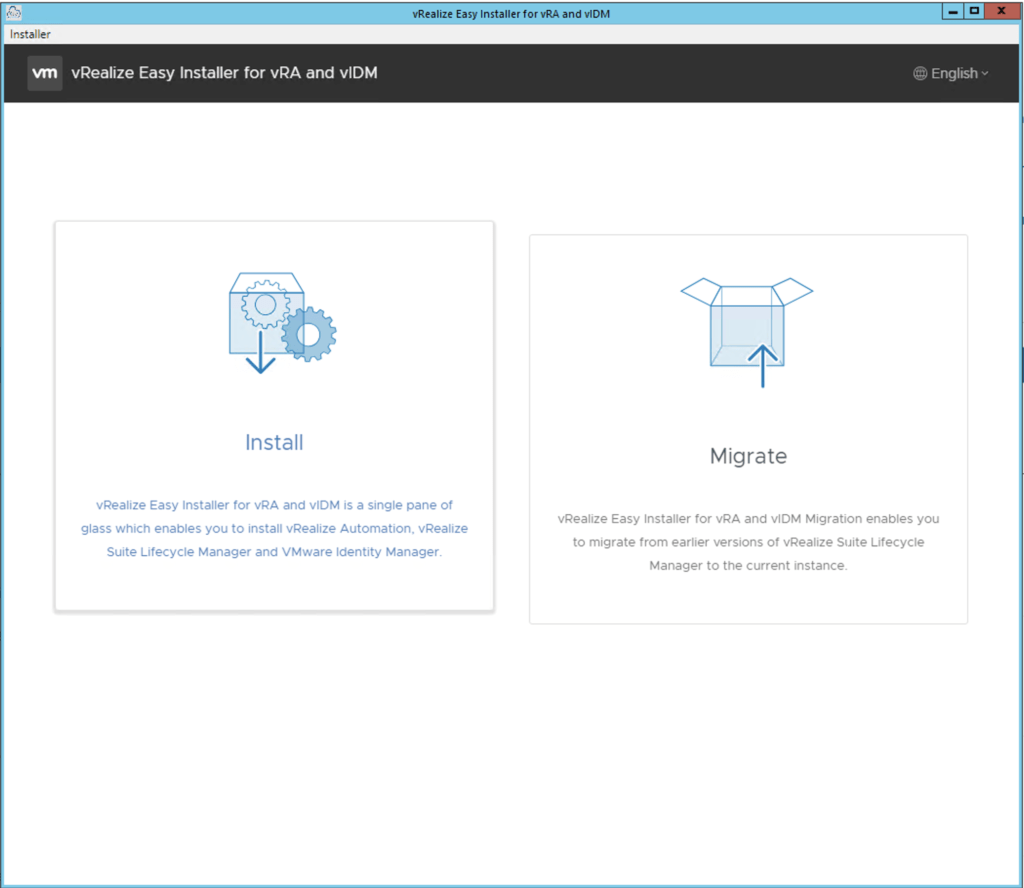
In this guide i will go over the deployment of vRA 8.11 using the Easy Installer. The reason i like the Easy Installer is because it deploys everything that i need. vIDM, Lifecycle Manager as well as vRA. To get started we need to download the installer from here. Once downloaded mount the iso as a drive using your favorite tool or extract it as a archive using something like 7-zip Once mounted go to the CDROM in the vrlcm-ui-installer\Mac directory if on mac or vrlcm-ui-installer\win32 if you are on windows. In here run the installer file ...

February 3, 2023 · 4 min · Cosmin
Article cover image

vRSLCM (vRealize Lifecycle Manager) Product Support Pack

In this guide i will go over the steps of getting an existing 8.x vRSLCM appliance to support the latest product releases available. Here is a great blog that goes in to the details about what the Product Support Pack is https://blogs.vmware.com/management/2019/01/vrslcm-pspak.html. Typically the newer Product Support Pack is included part of the upgrade for LCM, however sometimes there are product releases in between releases where product support packs come in handy. ...

February 3, 2023 · 2 min · Cosmin
Article cover image

Upgrading VCF 4.4.0 to 4.5 Step by Step

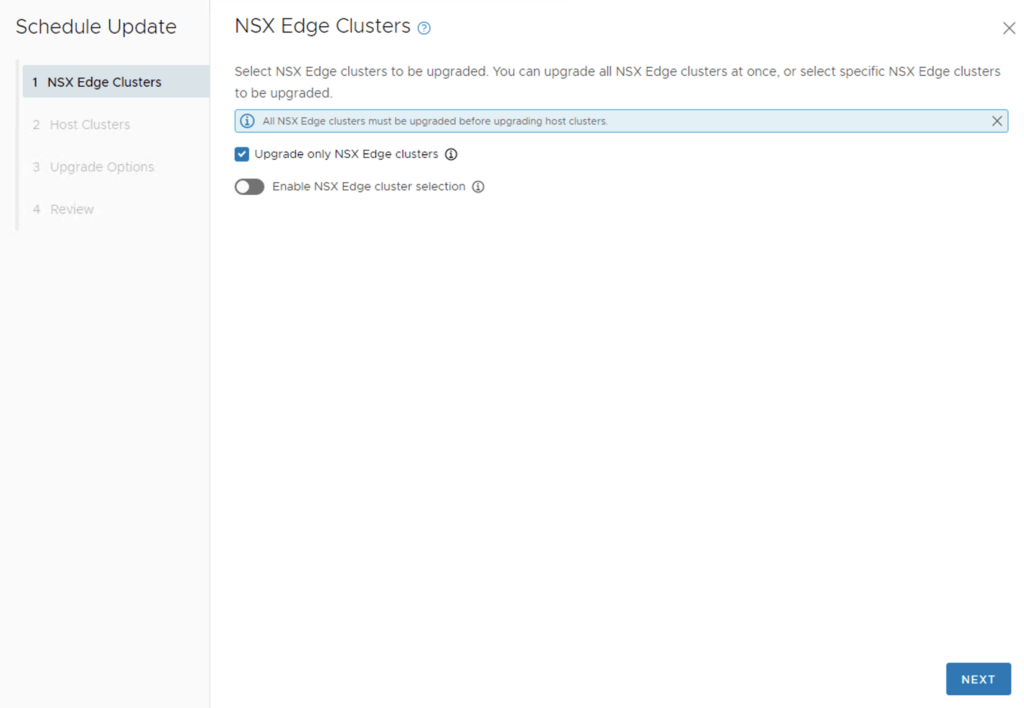
With the release of of VCF 4.5 i wanted to get my lab upgraded. The release blog can be found here and the release notes are here Please note that some of the components within the VCF will still need additional upgrading. Please read the release notes for additional details. We can start by going to Lifecycle Management -> Bundle management -> Download now. If you do not see the newest releases go to Administration -> Repository settings and add a VMware Customer Connect account that has access to perform downloads. ...

February 3, 2023 · 4 min · Cosmin

Why Choose vRealize Automation (vRA) over Ansible

Ansible and vRealize Automation (vRA) are both popular DevOps tools for infrastructure automation and provisioning. However, the two tools have different strengths and use cases, and choosing the right one for your organization can be a challenge. In this blog post, we’ll explore the key differences between vRA and Ansible and why you might choose vRA over Ansible. Complexity of Deployment Ansible is a simple, agentless tool that is easy to install and configure. However, as the complexity of your deployment increases, the simplicity of Ansible can quickly become a hindrance. vRA, on the other hand, is a complex tool that is designed to handle complex deployments, making it an ideal choice for large, complex environments. ...

February 1, 2023 · 2 min · Cosmin

Why Choose VMware vRealize Automation Over Puppet

When it comes to managing large, complex IT infrastructure, two of the most popular tools are VMware vRealize Automation (vRA) and Puppet. Both tools have their strengths and weaknesses, but in this article, we will examine why you might choose vRealize Automation over Puppet. Integrated Management: vRA integrates with VMware’s vSphere virtualization platform, allowing for a seamless management of virtual machines (VMs). With Puppet, you would need to use additional tools to manage your virtual environment. Cloud Management: vRA is capable of managing both on-premise and cloud infrastructure, making it an ideal solution for hybrid cloud environments. Puppet, on the other hand, is primarily focused on on-premise deployments. Automation: Automation is at the core of both vRA and Puppet. However, vRA provides a more comprehensive automation solution with its built-in workflows and drag-and-drop design. This makes it easier for users to automate their infrastructure without having to write complex code. Self-Service: vRA provides a self-service portal for users to request and manage their own resources, reducing the burden on IT. Puppet does not have this capability, making it a less attractive option for organizations looking to implement a self-service model. Cost: vRA is a commercial product and is typically more expensive than Puppet. However, the added features and integration with other VMware products make it a more cost-effective solution in the long run. In conclusion, if you are looking for a comprehensive and integrated management solution that covers both on-premise and cloud environments, then vRealize Automation is the way to go. It provides a more user-friendly automation solution, with a self-service portal, making it easier for users to manage their infrastructure. However, if you are on a tight budget and have a primarily on-premise deployment, Puppet might be a better fit for your organization.

February 1, 2023 · 2 min · Cosmin
VCF Assistant
Hi! I'm the VCF Assistant. Ask me anything about VMware Cloud Foundation, ESXi, vCenter, NSX, Aria Suite, or infrastructure automation.